
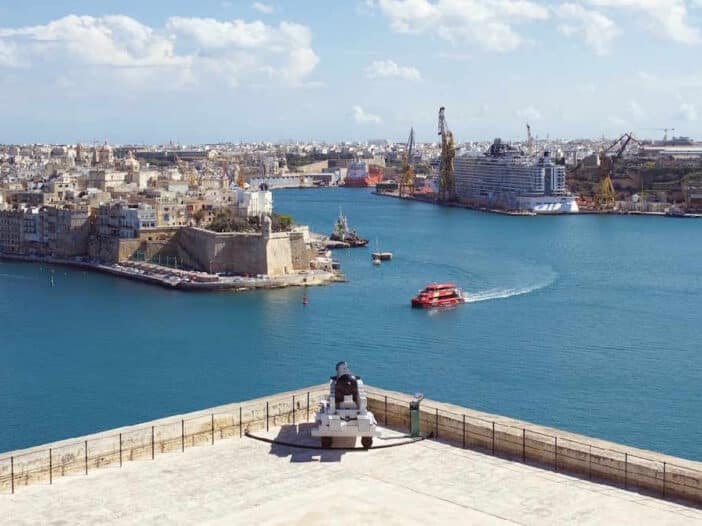
Plan your trip to Valletta with this expert guide. Discover the best attractions, a one-day itinerary, accommodation options and the finest local cuisine in Malta‘s capital.
Valletta is far more than a simple cruise port; it is a sprawling open-air museum. Built by the Knights of St. John in the 16th century, this fortified city packs centuries of high-stakes history into just 0.8 square kilometers.
Many travelers make the mistake of treating Valletta as a quick stopover. In this guide, I’ll show you why “The Humble City” deserves your full attention. You will learn how to avoid tourist traps, navigate the steep limestone stairs like a local, and make the most of your travel budget.
Brief History of Valletta in Malta, A Journey Through Time
Valletta’s history is an epic tale of resilience. Founded after the Great Siege of 1565, the city was designed as an impregnable fortress. Its grid-like street layout—unusual for the Middle Ages—was strategically engineered to allow the sea breeze to circulate, cooling the limestone corridors during sweltering Mediterranean summers.
Today, Valletta stands as a UNESCO World Heritage Site. It is a vibrant hub where Baroque masterpieces meet contemporary art, boutique dining, and world-class history.
Logistics: Getting in Valletta and Around
How to Arrive in Valletta
The Malta International Airport (MLA) is your main point of entry. To reach the capital, you have three primary options:
- Bus (X4): The most budget-friendly choice (approx. €2.50). It is efficient but can be slow during peak traffic.
- Ride-Sharing: Apps like Bolt, Uber, and eCabs work seamlessly. A trip to the city center usually costs between €15 and €22.
- The Ferry: If staying in Sliema or the Three Cities, take the ferry. It’s fast, costs around €2.80 return, and offers the most spectacular view of the Valletta skyline.
Find the best deals and options for flights and airport transfers to your hotel.
Best Time to Visit
- Peak Season: Avoid July and August unless you enjoy extreme heat and dense crowds.
- The Sweet Spot: May, June, and September offer the perfect balance—warm enough for a swim but cool enough to hike Valletta’s steep hills.
- Winter: Mild and ideal for museums, though sea conditions can occasionally cancel boat tours.
Where to Stay in Valleta, Malta: Recommended Districts
Your choice of neighborhood can transform your entire experience.
1. Valletta (The Historic Heart)
Best for: Couples and history enthusiasts. You are steps away from the best wine bars.
- Luxury: The Embassy Valletta Hotel – Features a stunning rooftop pool overlooking the iconic dome of the Basilica.
- Boutique: Osborne Hotel – Modern, sleek, and located right on the main Republic Street.
2. Sliema and St. Julian’s (Convenience & Nightlife)
Located across the bay, these areas offer modern hotels and easy transport links. St. Julian’s is the island’s nightlife hub.
- Mid-range: Land’s End Boutique Hotel (Sliema) – Offers direct views of Valletta’s bastions.
- Social/Budget: Two Pillows Boutique Hostel – A high-end hostel experience in a traditional Maltese townhouse.
3. The Three Cities
Best for: A quieter, more authentic experience. Staying in a boutique B&B in Vittoriosa feels like Valletta did 20 years ago.
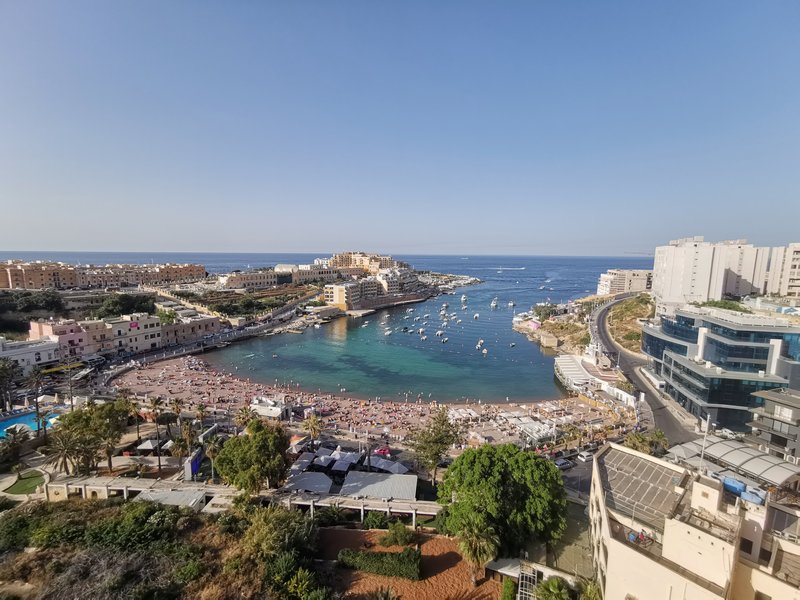
From luxury hotels to cozy hostels and traditional inns, you can find the perfect stay in Valletta by checking the latest deals on Booking.com.
Must-Have Experiences in Valletta
The Grandeur of St. John’s Co-Cathedral
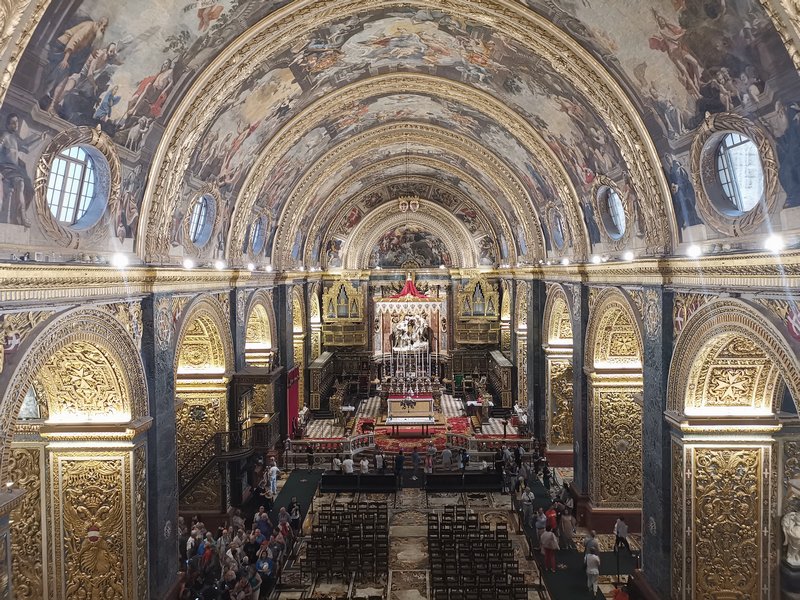
Don’t be fooled by the plain exterior. Inside lies one of the most dazzling Baroque interiors on the planet. The floor is adorned with marble tombstones of noble knights. The highlight is the Oratory, housing Caravaggio’s The Beheading of Saint John the Baptist—the only work he ever signed.
Pro Tip: Arrive at opening time or one hour before closing to avoid large cruise ship groups.
The Noon Ritual at Upper Barrakka Gardens
These gardens offer the most iconic panoramic view of the Grand Harbour. At 12:00 PM and 4:00 PM daily, the Saluting Battery fires historic cannons. While the terrace view is free, paying a small fee to enter the battery area gives you a closer look at the ceremony.
Wandering the Side Streets
While Republic Street is the commercial spine, streets like St. Lucia’s and Old Bakery hold the city’s soul. Look for the famous colorful Maltese balconies (gallarijas). This is where you’ll find silver filigree workshops and hidden antique shops. Prices for a coffee or a local Cisk beer are significantly lower here than in the main squares.
Top 10 Attractions in Valletta, Malta
- St. John’s Co-Cathedral: The pinnacle of Baroque art.
- Upper Barrakka Gardens: The premier vantage point for the harbor.
- Grandmaster’s Palace: The seat of power with an impressive state armoury.
- Fort St. Elmo: A star-shaped fort housing the National War Museum.
- Teatru Manoel: One of the oldest working theaters in Europe.
- Lower Barrakka Gardens: A quiet alternative featuring a classical temple.
- Triton Fountain: The monumental gateway to the city.
- Casa Rocca Piccola: A 16th-century palace still inhabited by a noble family.
- Valletta Waterfront: 18th-century warehouses now serving as restaurants.
- Strait Street: Historically the city’s “gut,” now a trendy spot for jazz and cocktails.
One-Day Optimized Itinerary to Visit Valletta
- 09:00: Enter through the City Gate (designed by Renzo Piano) and grab a coffee.
- 09:30: Beat the crowds at St. John’s Co-Cathedral.
- 11:30: Head to Upper Barrakka Gardens for the 12:00 noon cannon firing.
- 12:30: Quick lunch of Pastizzi (savory pastry) on Merchant Street.
- 14:00: Explore Fort St. Elmo to learn about Malta’s pivotal role in WWII.
- 16:00: Take the Barrakka Lift down to the waterfront for a traditional boat ride.
- 18:00: Sunset drinks on Strait Street.
- 20:00: Dinner at a candlelit bistro on St. Lucia’s Street.
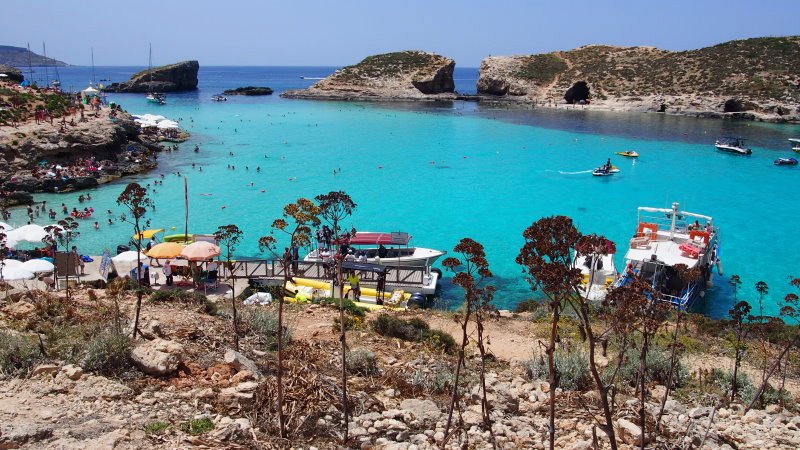
Gastronomy: The Flavors of Malta
Maltese cuisine is a rustic fusion of Sicilian, Arabic, and British influences.
What to Eat:
- Stuffat tal-Fenek: Slow-cooked rabbit stew (the national dish).
- Pastizzi: Flaky pastries filled with ricotta or mushy peas—cheap and delicious!
- Ftira: Ring-shaped sourdough bread, often served as a sandwich with tuna and capers.
Where to Eat:
- Legligin: Famous for its traditional tasting menus in a cozy cellar.
- Guzé Bistro: Refined dining in a stunning 16th-century building.
- Nenu the Artisan Baker: The best place for authentic Ftira.
Check Valletta: Street Food and Culture Walking Tour – Discover the main landmarks of Valletta whilst savoring the island’s tastiest street foods. Get a historical overview of the city from your guide on this 3-hour tour.
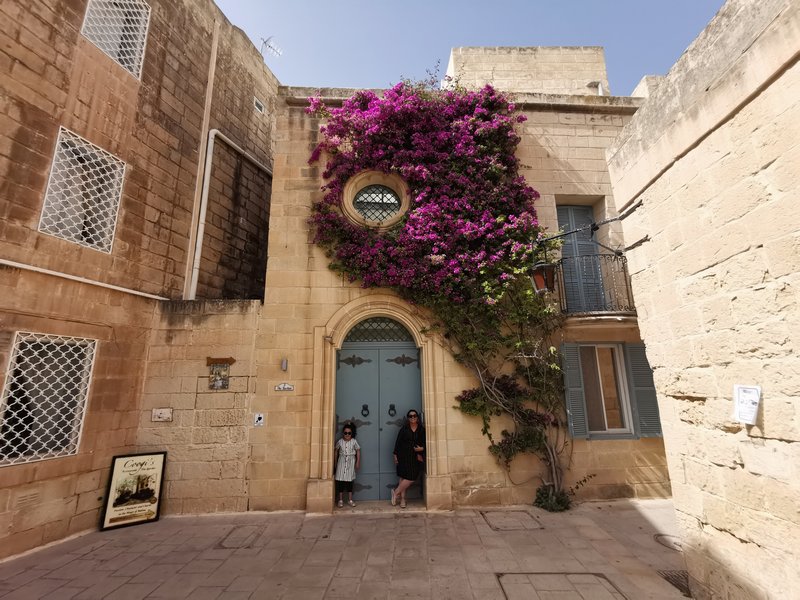
Practical Tips (Final Checklist) to Go to Valletta, Malta
- Visas: Malta is part of the Schengen Area.
- Currency: Euro (€). Cards are widely accepted, but keep cash for ferries.
- Power Plugs: UK Standard (Type G). Bring an adapter if coming from the US or mainland Europe.
- Safety: Extremely safe. Beware of the slippery limestone pavement when wet.
- What to Pack: Comfortable walking shoes, sunscreen, and modest clothing for church visits.
Where to travel next?
Other posts beautiful destination:
- Complete travel guide to visit the Romantic Road in Germany
- Berlin, Germany – Top 20 sights and things to do and visit
- Paris, France – Top 10 must-see sights and tourist attractions
- What to do in New York, USA – Trave Guide and tips
- Best travel tips for Oktoberfest in Munich, Germany
- Day trip guide and what to do in Glasgow, Scotland
General international travel tips
For general travel tips, be sure to check out:
- The best Travel Quotes to motivate your trip on an adventure!
- Tips for using Google Flights and buying the best airfare
Leave a Reply