
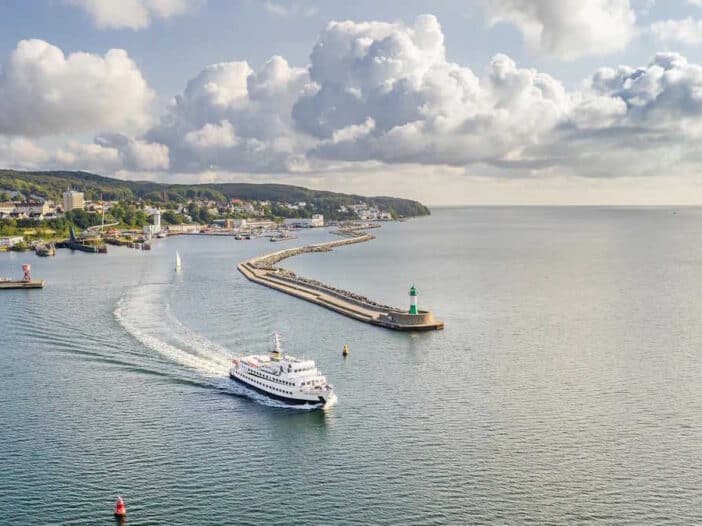
How to Visit and What to Do in Islands in the Baltic Sea and North Sea in Northern Germany – Travel Guide, Practical Information and Best Tips
The northern coast of Germany hides something special—peaceful, wind-swept islands in the Baltic Sea and the North Sea. These islands offer a slower pace of life. They are not as famous as the Mediterranean coast, but they are just as beautiful, and far less crowded.
Imagine flat sandy beaches, wild dunes, tiny harbors, and thick coastal forests. Add fresh seafood, lighthouses, thatched-roof homes, and clean sea air. This is what you get when you visit the islands in northern Germany.
In this guide, you’ll find everything you need for a smooth, stress-free trip. It covers how to get there, when to go, where to stay, and what to eat. You’ll learn the best spots for nature walks, beach days, and even spa time. Whether you want a quiet getaway or an active trip, the Baltic Sea and North Sea islands have something for you.
And the best part? Each island has its own personality. Some are wild and raw. Others are neat and charming. This article will help you pick the best island for your kind of trip—and show you how to enjoy it to the fullest.
Brief History of the Northern Germany
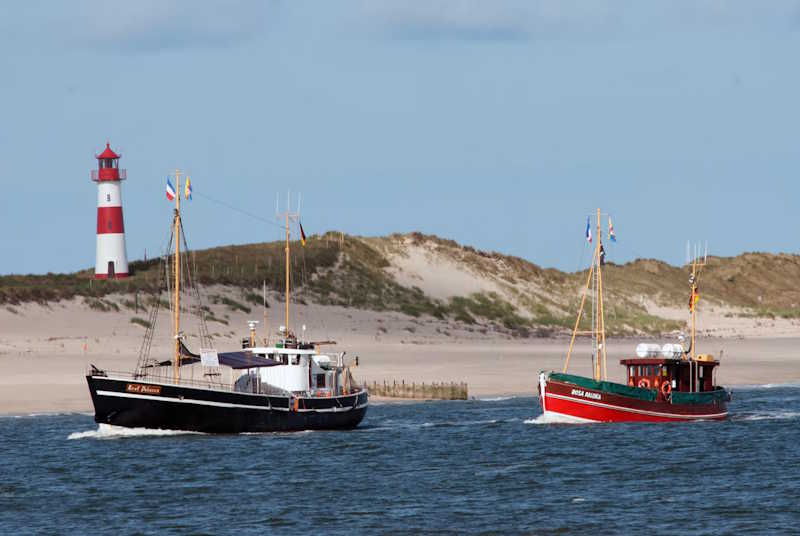
The islands in the Baltic Sea and North Sea have been part of northern Germany’s story for centuries. Long before they became travel spots, these islands were home to fishermen, farmers, monks, and even pirates.
In the early days, the islands were hard to reach and often isolated. People lived off the sea and the land. They built low houses to survive strong winds and rough storms. Some islands, like Rügen and Sylt, were known for trade and fishing. Others, like Hiddensee, were places of spiritual peace and quiet.
In the 19th century, things began to change. German royals and upper-class families started visiting the Baltic Sea coast for its fresh air and healing waters. Spa towns grew, and elegant resorts were built. Railways reached the coast. Ferries followed. Soon, beach tourism was born.
The North Sea islands also grew in popularity thanks to their wide open beaches and strong tides. Scientists came to study the unique mudflats. Artists came for inspiration. Tourists followed.
Today, many of these islands still carry traces of their past. Old fishing villages remain. Historic piers and lighthouses still guide the way. The culture is a mix of German tradition and coastal life. Visiting these islands is not just a beach trip—it’s also a walk through history, shaped by sea, wind, and time.
Where It Is and How to Go
The Baltic Sea and North Sea hug the northern coast of Germany. The most popular islands include Sylt, Föhr, Amrum, Rügen, Usedom, and Hiddensee.
- North Sea islands like Sylt, Föhr, and Amrum are reached by ferry or train from Hamburg or Niebüll.
- Baltic Sea islands like Rügen and Usedom are easier to reach by car or train from Berlin or Rostock.
Ferries connect the mainland to most islands. Some, like Sylt, also have trains that go straight across the causeway.
If you plan well, getting there is easy. Always check ferry times, especially outside summer. Trains can be booked in advance for lower prices.
Find the best deals and options for flights and airport transfers to your hotel.
What Are the Best Times to Visit the Northern Germany
The best time to visit is from May to September. During these months, the weather is warmer, and most places are open.
- Spring (May-June): Nature is in bloom. It’s quiet and perfect for hikers.
- Summer (July-August): Peak season. Beaches are lively. Great for families and sun lovers.
- Fall (September): Fewer tourists. Mild weather. Good for walks and peaceful stays.
Avoid winter unless you want total calm. Many places shut down from November to March.
Where to Stay Close to the Island – Best Areas and Regions
North Sea Islands:
- Sylt: Offers luxury resorts, fine hotels, and stylish apartments. Try Westerland or Kampen for nightlife and beaches.
- Amrum: Quieter and natural. Good guesthouses in Wittdün.
- Föhr: Family-friendly. Stay in Wyk, the main town, with many B&Bs and small hotels.
Baltic Sea Islands:
- Rügen: Germany’s biggest island. Stay in Binz or Sellin for spa hotels and beach resorts.
- Usedom: Known for seaside towns like Heringsdorf. Offers hostels, wellness resorts, and beachfront hotels.
- Hiddensee: Car-free and peaceful. Stay in charming guesthouses or holiday flats.
Book early in summer. Prices rise quickly. Try smaller villages if you want to avoid crowds.
There are various accommodation options in hotels, hostels and inns, be sure to check them out at Booking.com page.
What to Do in the Northern Germany
The islands in the Baltic Sea and North Sea have different vibes but offer lots to do.
- Beach walks and bike rides: All islands have trails along the sea.
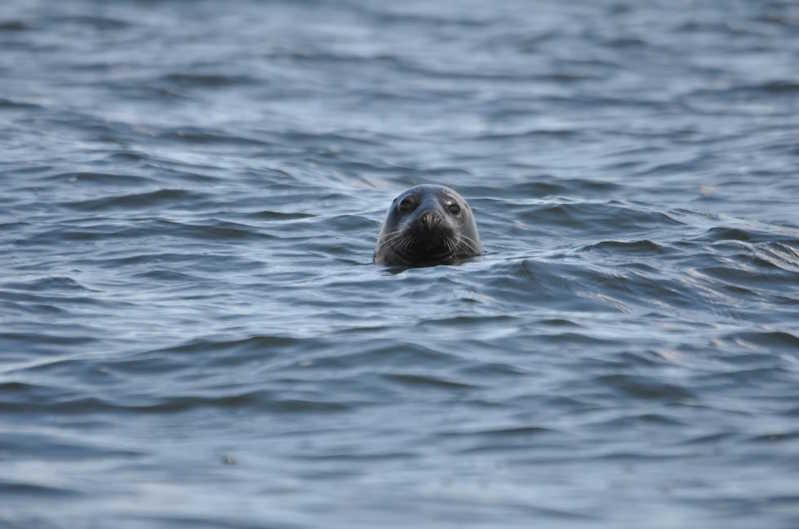
- Seal watching: North Sea islands like Helgoland offer tours to see seals up close.
- Spa and wellness: Baltic Sea towns are known for their spa culture.
- Horse carriage rides: Especially on Hiddensee, where cars aren’t allowed.
- Windsurfing and kiteboarding: Try on Sylt or Usedom.
- Visit lighthouses: Most islands have them, and the views are stunning.
Each island has its own rhythm. The North Sea islands feel more wild and rugged. The Baltic Sea ones are softer and greener.
Top 10 Attractions of Baltic Sea and North Sea
- Königsstuhl (Rügen) – Famous chalk cliffs with sea views.
- Sansibar Beach Bar (Sylt) – Iconic place for food and sunsets.
- Sturmflut-Erlebniswelt (Amrum) – A storm flood experience center.
- Seal Watching on Helgoland (North Sea) – A boat trip worth every euro.
- Tree-Top Walk (Rügen) – A forest path high above the trees.
- Historical Spa Houses (Usedom) – Old villas by the beach.
- Wadden Sea National Park (North Sea) – Walk on the seabed at low tide.
- Cape Arkona (Rügen) – Lighthouse and cliffs with Baltic Sea views.
- Heringsdorf Pier (Usedom) – The longest in Germany.
- Thatched-roof Houses (Föhr & Amrum) – Traditional and very photogenic.
Tip Itineraries for 1 Day to Visit the northern Germany
Rügen (Baltic Sea):
- Morning: Walk the chalk cliffs.
- Noon: Lunch in Binz.
- Afternoon: Tree-top walk and visit to a beach.
- Evening: Sunset at Cape Arkona.
Sylt (North Sea):
- Morning: Rent a bike and explore the island.
- Noon: Lunch at Sansibar.
- Afternoon: Beach walk and seal spotting.
- Evening: Enjoy fresh seafood by the sea.
Hiddensee (Baltic Sea):
- Morning: Ferry from Rügen.
- Noon: Explore on foot or by bike.
- Afternoon: Visit the lighthouse and dunes.
- Evening: Take ferry back.
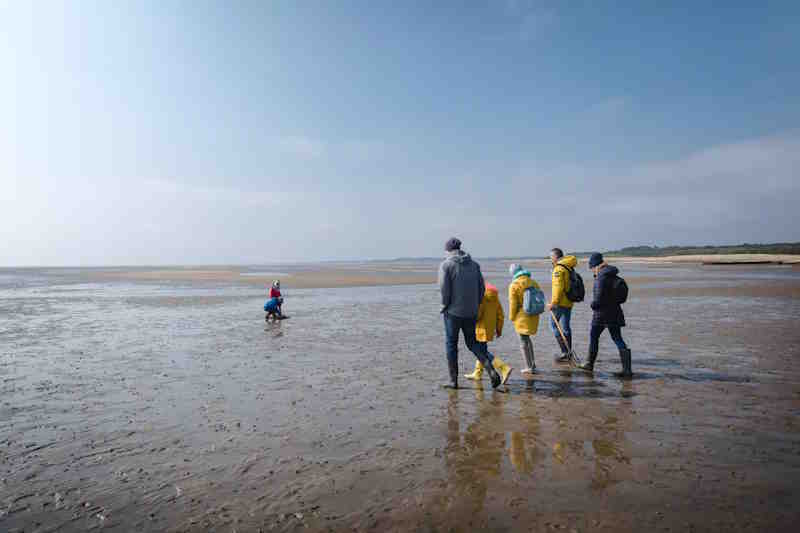
Check Sylt: Guided Mudflat Hike on the Island – Discover the unique nature of the island Sylt on this guided tour. Let Jan – your local guide – tell you more about the Wadden Sea mudflats and its inhabitants.
What and Where to Eat – Tips for Bars and Restaurants
The Baltic Sea and North Sea islands are seafood heaven. But there’s more.
- Try the fish rolls (Fischbrötchen). Simple, salty, perfect by the sea.
- Matjes (young herring) is a must on North Sea islands.
- Smoked eel is common on Baltic Sea islands.
- Labskaus – a northern German dish with corned beef, potatoes, and beetroot.
- Crab dishes are big in Föhr and Amrum.
Top food spots:
- Gosch Sylt – Popular seafood chain born on Sylt.
- Seebrücke Restaurant (Heringsdorf, Usedom) – Great for sea views and fish.
- Kleine Küstenküche (Rügen) – Cozy and creative.
- Restaurant Letj Briis (Amrum) – Fresh, seasonal dishes.
For drinks, local beer and white wine pair well with seafood. Many islands also serve homemade fruit brandy.
Key Tips and Practical Information of northern Germany
- Pack layers: Even in summer, evenings can get cold.
- Book ferries and hotels early, especially in July and August.
- Carry cash: Not all small spots take cards.
- Respect nature: Many islands have protected zones.
- Use bikes: Most islands are flat and bike-friendly.
- Try local products: Cheese from Föhr, honey from Usedom, jams from Rügen.
- Avoid driving on Hiddensee: It’s car-free. Walk or bike.
- Bring sunscreen and wind protection: The sea breeze can be strong.
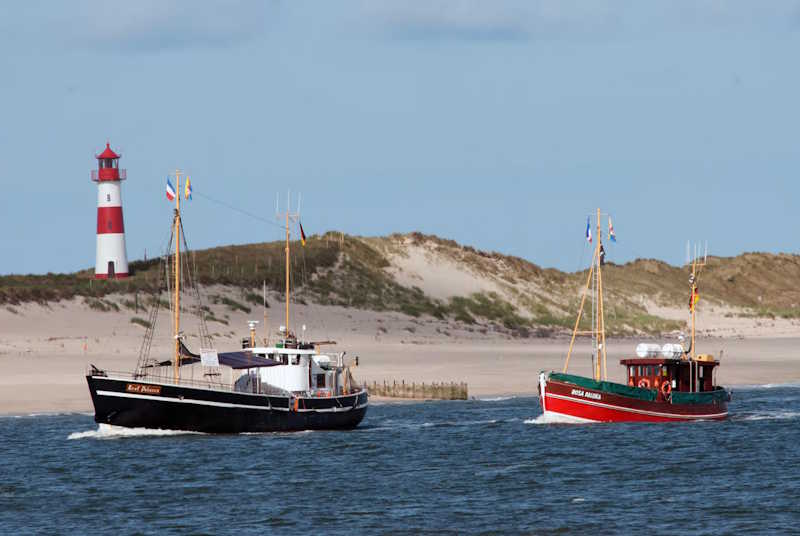
Exploring the Baltic Sea and North Sea islands in northern Germany gives you a mix of quiet, beauty, and adventure. You can relax, explore, eat well, and enjoy fresh sea air.
Each island has its own charm. With the tips above, you’ll make the most of your trip. Whether you visit one island or a few, the experience will be unforgettable.
Best Touristic Attractions and Guided Tours in Germany
Suggestions of guided tour deals and touristic attractions in Germany. For planning a trip to Germany, we have some publications that can help a lot:
- Berlin, Germany – Top 20 sights and things to do and visit
- The Best Christmas Markets in Germany
- Best travel tips for Oktoberfest in Munich, Germany
We also write about 8 of the best attractions on the Romantic Road in Germany with up-to-date tips, be sure to check it out .
Search for the best place to stay at Berlin, including hotel and hostel at different prices.
Are you traveling to Germany?
Specifically about international travel by plane to Frankfurt Airport, we have the best post:
Where to stay near Frankfurt Airport Germany – FRA, Frankfurt/Main
Search for the best place to stay near Frankfurt Airport, including hotel and hostel at different prices.
Leave a Reply