
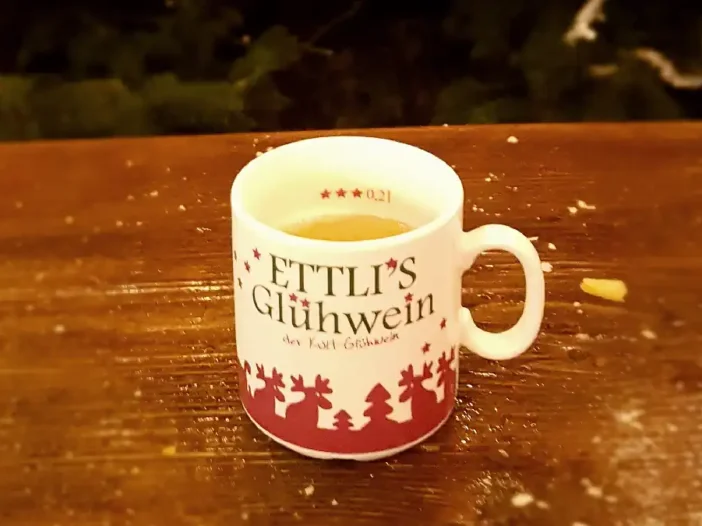
Since our first year in Germany, the best time in the country is the Christmas Market period, mainly because of its food and drink specialties. Combining the cold and the desire to eat, it is unmissable.
The first sign that you are approaching a German Christmas market is not visual, but olfactory. It’s the mixture of mulled wine steam, smoke from charcoal grills, and caramelized sugar cutting through the freezing December air. Whether exploring the squares of Frankfurt, Cologne, or Bremen, the gastronomy is half the experience.
And to help you navigate through the dozens of wooden stalls without falling into tourist traps, we have gathered the foods and drinks you need to try, divided into savory classics, traditional sweets, and what to order in the steaming mugs.
We have a post about the The Best Christmas Markets in Germany with updated information.
🎄 December in Germany fills up fast, especially near the market squares — organize accommodation, insurance, and tours in advance. 🏨 See hotels in Germany 🎟️ See tours in Germany 🛡️ Get a travel insurance quote
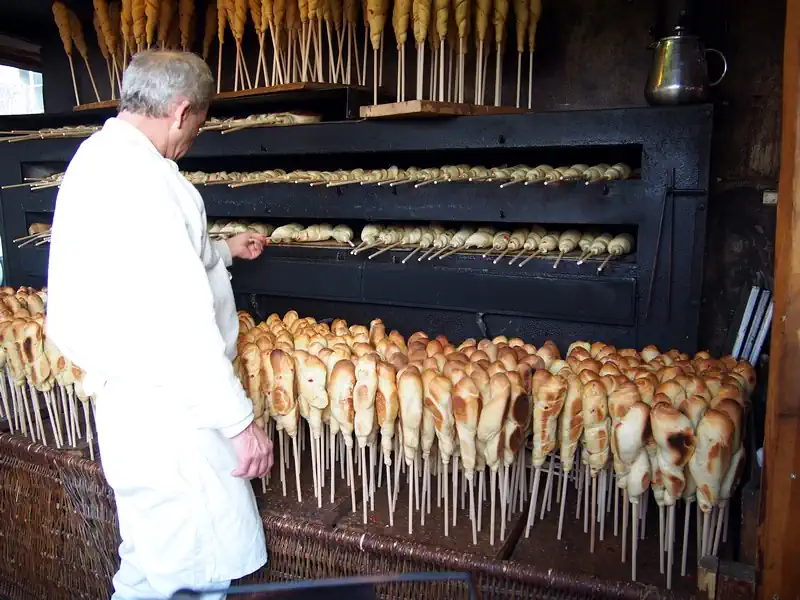
To Warm Up: Savory Classics
- Bratwurst (The Classic German Sausage): You will see circular grills suspended over charcoal in almost every market. The general rule is to order the Bratwurst in a bread roll (im Brötchen). Don’t expect a soft hot dog bun; Germans use a small, crusty French-style roll. If you want to switch it up, look for the Thüringer (long and well-seasoned, which usually sticks out of the bread) or the Nürnberger (small, herb-rich sausages, usually served as a trio inside the bread).
- Kartoffelpuffer or Reibekuchen (Potato Pancakes): These grated potato pancakes are deep-fried until their edges become extremely crispy. The detail that surprises many: they are traditionally served hot with a generous portion of Apfelmus (cold, sweet applesauce). The contrast of temperature and of savory with sweet is one of the most authentic flavors of the German winter.
- Flammkuchen: Originating from the Alsace region, it is a kind of pizza with a very thin crust, baked in a wood-fired oven. The classic version features only a base of crème fraîche (fresh, thick cream), sliced onions, and bacon cubes. It is light, crispy, and perfect for sharing while you walk.
- Champignons mit Knoblauchsoße (Mushrooms with Garlic Sauce): An excellent vegetarian option that forms long lines. These are white mushrooms cooked in giant cast-iron skillets, served swimming in a creamy garlic and herb sauce, accompanied by a slice of rustic bread to wipe the bottom of the paper plate.
The Smell of the Market: Sweets and Desserts
- Gebrannte Mandeln (Roasted and Caramelized Almonds): If Christmas markets had an official perfume, this would be it. The almonds are roasted on the spot in large copper vats with sugar and cinnamon. They are sold warm in paper cones (Papiertüte). Practical tip: buy them to eat right away, because when they cool down, they lose their ideal crunchy texture.
- Schmalzkuchen or Mutzen: Small pieces of fried dough, similar to mini doughnuts, served hot in paper bags and covered with a mountain of powdered sugar. It is impossible to eat without getting your coat dirty with white, but it’s worth it.
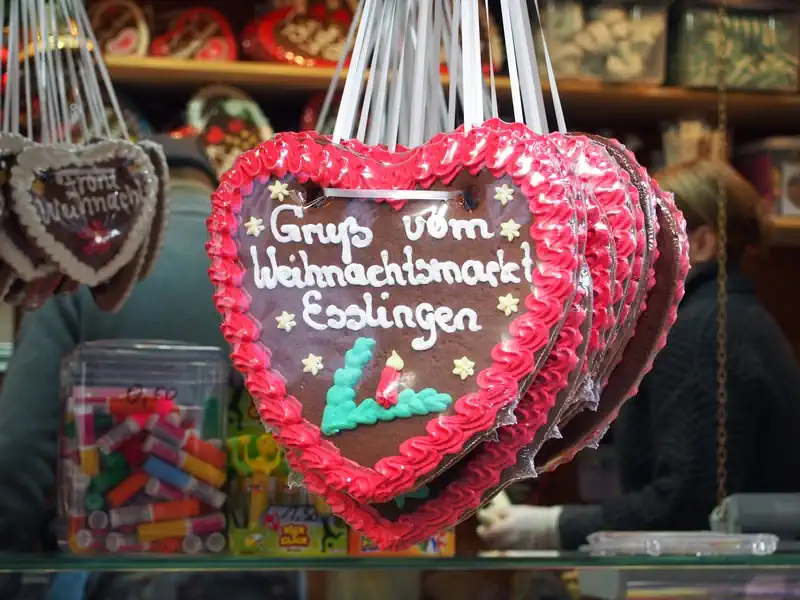
- Lebkuchen (Gingerbread Hearts): Although they are hanging in every stall and are beautiful for photos, an honest warning: the large hearts decorated with icing are hard and made more to last as a souvenir than to be eaten. If you want to taste the true, soft, and flavorful Lebkuchen, look for the sealed packages of “Elisenlebkuchen” (especially those from Nuremberg), which have a high amount of nuts and almonds in the dough.
What to Drink (Beyond the Basics)
- Glühwein (Mulled Wine): The official winter drink. It is red (or white) wine heated with spices like cloves, cinnamon, star anise, and orange slices. If the night is especially cold, you can ask for a Glühwein “mit Schuss” — the seller will add an extra shot of rum or amaretto to your mug.
- Feuerzangenbowle: More than a drink, it’s a visual spectacle. A sugar block soaked in high-proof rum is placed on a tong over a cauldron of mulled wine and set on fire. The sugar melts, caramelizes, and drips flaming into the drink.
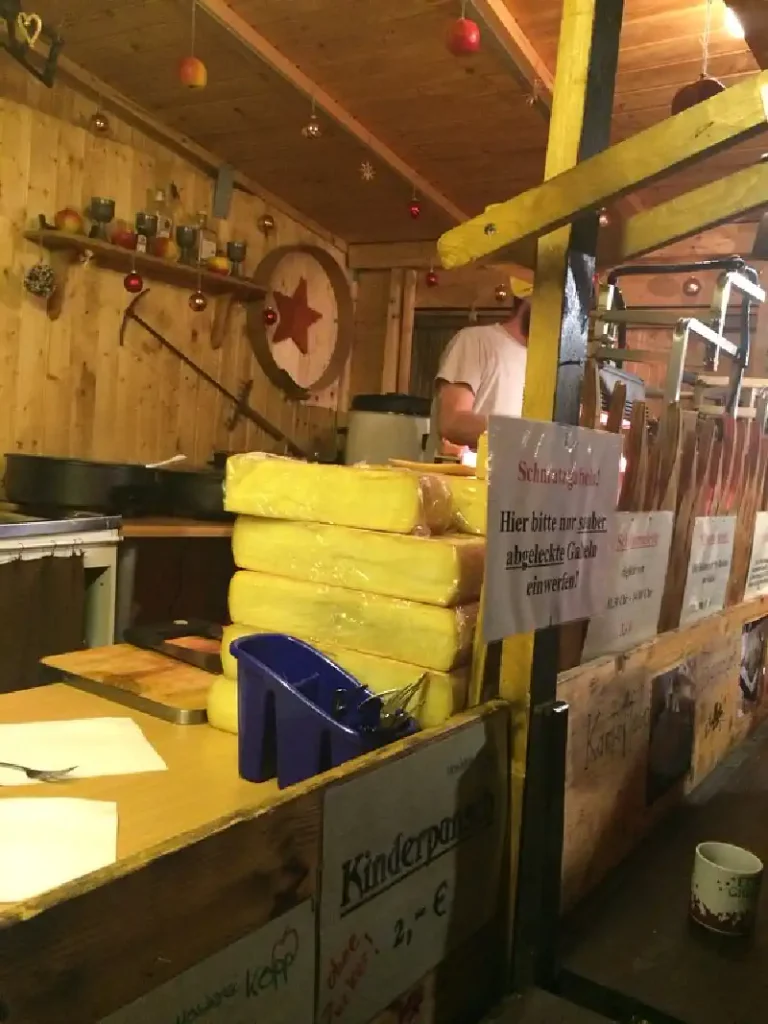
- Kinderpunsch: If you don’t drink alcohol, are driving, or traveling with children, order the Kinderpunsch. It is a hot punch made from apple, cherry, or grape juice, mixed with the same spices as the mulled wine, but completely alcohol-free.
Organize Your Trip
- Travel Insurance: It is mandatory to enter the Schengen Area and vital for health coverage in the winter. Get a quote and guarantee discounts at Real Seguros.
- Accommodation: Book in advance through Booking.com for the months of November and December, as occupancy borders on 100% on weekends.
- Tours and Tickets: Skip lines and secure indoor attractions (great for escaping the cold) using GetYourGuide.
Christmas Markets in Europe
Other articles about cities with the best Christmas markets:
- Christmas Market 2026 in Colmar, Alsace region in France – Travel Guide
- Best Christmas Markets in 2026 in Zurich, Switzerland
- Christmas 2026 at Disneyland Paris with Tips, hotel, itinerary, attractions, costs and meal plan
- Portugal Christmas Market in 2026 including Lisbon, Porto and other cities
- Christmas Markets 2026 in Vienna and Salzburg, Austria – Tips and Guide
- Budapest Christmas Market 2026: Complete Guide to the Advent Feast at the Basilica
Find the best options for guided tours and ticket offers for gastronomic tourist attractions in Germany: Powered by GetYourGuide
Practical Travel Tip: How the “Pfand” (Mug Deposit) Works
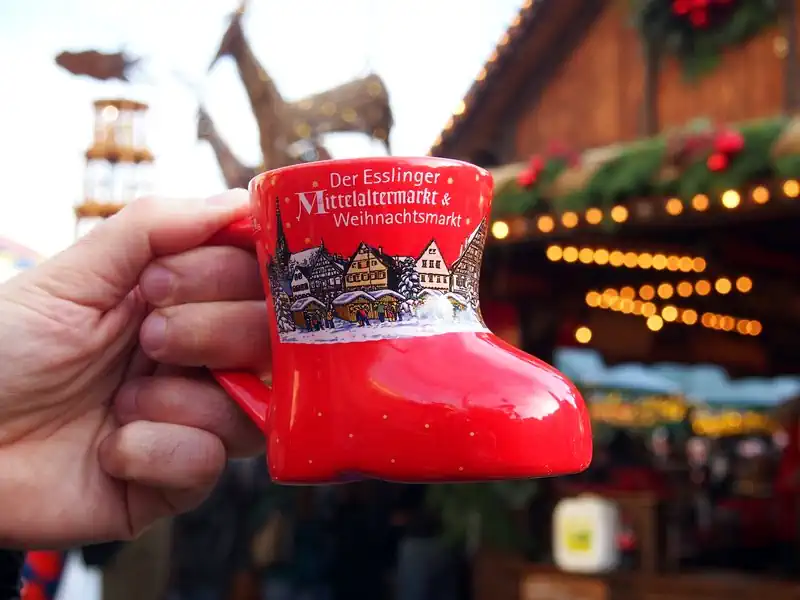
When you buy your first hot drink, you will notice that the price is higher than what is listed on the sign (usually between 3 and 4 euros more). This is the Pfand (deposit) for the decorated ceramic market mug.
You have two options:
- Return the empty mug to any drink stall in the same market and get your deposit coins back.
- Take the dirty mug back to your hotel as a souvenir (which is totally allowed and expected, since you paid for it).
Reminder: Although card (and mobile) payments are growing in Germany, street food stalls at Christmas markets still operate mostly on cash. Always keep 1 and 2 euro coins and small bills (5 and 10) in your pocket to make giving change easier.
Leave a Reply