


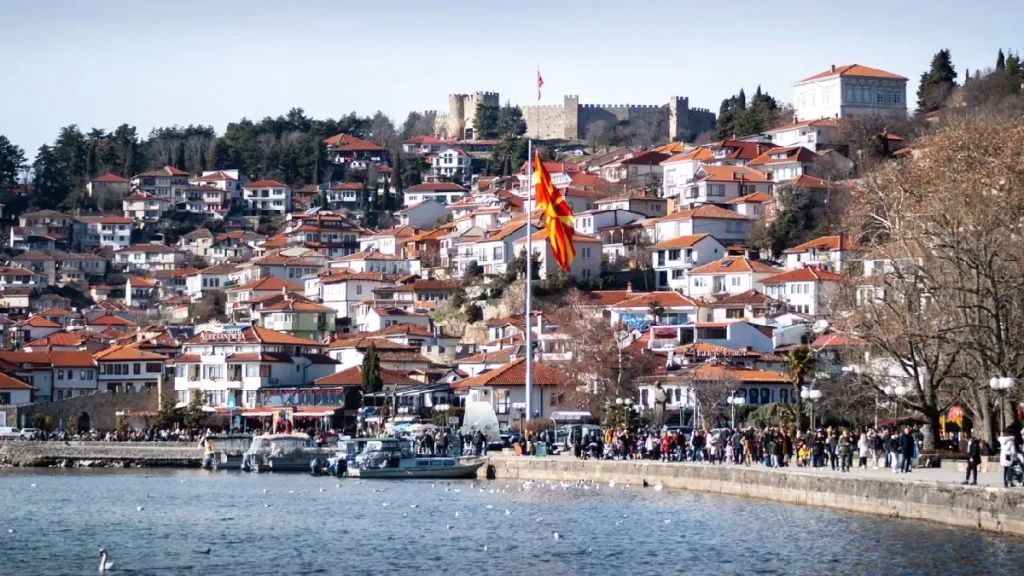
North Macedonia remains one of Europe’s best-kept secrets, offering incredible value without the overwhelming crowds of western destinations. Located in the heart of the Balkans, this landlocked gem combines an eclectic capital city with ancient, crystal-clear lakes and dramatic mountain ranges. Traveling here is highly affordable, safe, and deeply rewarding for everyone from solo backpackers to families.
Planning a trip to this region can feel daunting due to limited flight routes and complex local transport options. This comprehensive guide details exactly what to do in North Macedonia to help you build a seamless, hassle-free itinerary. You will find practical advice on navigating local transit, avoiding hidden costs, and selecting the best neighborhoods for your stay.
A Brief History and Rich Cultural Tapestry
The historical narrative of North Macedonia is a complex mosaic shaped by competing empires, ancient kingdoms, and cultural synthesis. This territory once sat at the heart of the ancient Kingdom of Macedon before transitioning through Roman, Byzantine, and Bulgarian medieval rule. Later, the region endured five centuries under the Ottoman Empire, which permanently reshaped its architecture, culinary traditions, and religious landscape.
During the twentieth century, the nation existed as the southernmost republic of Yugoslavia until achieving a peaceful independence in 1991. A significant modern milestone occurred in 2019, when the country officially changed its name to the Republic of North Macedonia to resolve a long-standing diplomatic impasse with Greece. Today, this vibrant history is highly visible, with centuries-old Orthodox monasteries and Ottoman mosques standing harmoniously against dramatic mountain backdrops.
Logistics: How to Get There and Best Time to Visit
Getting There and Around
The primary international gateway is Skopje International Airport (SKP), a major hub for low-cost carriers like Wizz Air connecting to several European cities. To reach the city center affordably, use the Wbus airport shuttle, which costs roughly 199 MKD ($3.50 USD / £2.70). If you opt for a taxi, ignore unmetered drivers in the arrivals hall and use the official white airport taxis, which charge a fixed, regulated rate of 1,500 MKD ($26 USD / £20).
Regional buses are the most reliable option for traveling to neighboring Balkan nations like Serbia, Kosovo, Bulgaria, or Greece. Skopje’s central bus station is highly organized, features English-speaking ticket windows, and sits right next to the main railway hub.
Find the best deals and options for flights and airport transfers to your hotel.
Best Time to Visit
The absolute best time to explore North Macedonia spans from May to September, when the weather is consistently warm and sunny. July and August bring peak summer temperatures, making it the perfect time for swimming in Lake Ohrid, though accommodation prices peak during this window.
If you prefer hiking and exploring historical sites without intense heat, target the shoulder months of May, June, and September. Winters are cold and see heavy snowfall in the highlands, which is ideal if you plan to ski at resorts like Mavrovo but less optimal for general sightseeing.

Where to Stay in North Macedonia
To maximize your experience, we highly recommend splitting your accommodation between the energetic capital of Skopje and the tranquil shores of Lake Ohrid. Securing your lodging well in advance guarantees the best central locations and protects you from seasonal price hikes.
Best Places to Stay in Skopje
Ficar right in the city center ensures you can easily walk to all major architectural landmarks, restaurants, and museums.
- Resort / Luxury: Limak Skopje Luxury Hotel – This property offers world-class amenities, a sleek wellness spa, and an excellent breakfast buffet within easy walking distance of the central pedestrian zone.
- Hotel: Hotel Solun – A pioneering eco-friendly boutique hotel featuring stylish decor, modern comforts, and a highly central location just off Macedonia Square.
- Hostel: Get Inn Skopje Hostel – Exceptionally clean facilities, comfortable bunk beds, a fully equipped shared kitchen, and a highly social atmosphere perfect for independent backpackers.
- B&B / Guesthouse: Bushi Resort & Spa – Situated right at the entrance of the Old Bazaar, this unique spot blends traditional design with excellent indoor pool and spa facilities.
Search for the best place to stay at Skopje, including hotel and hostel at different prices.
Best Places to Stay in Ohrid
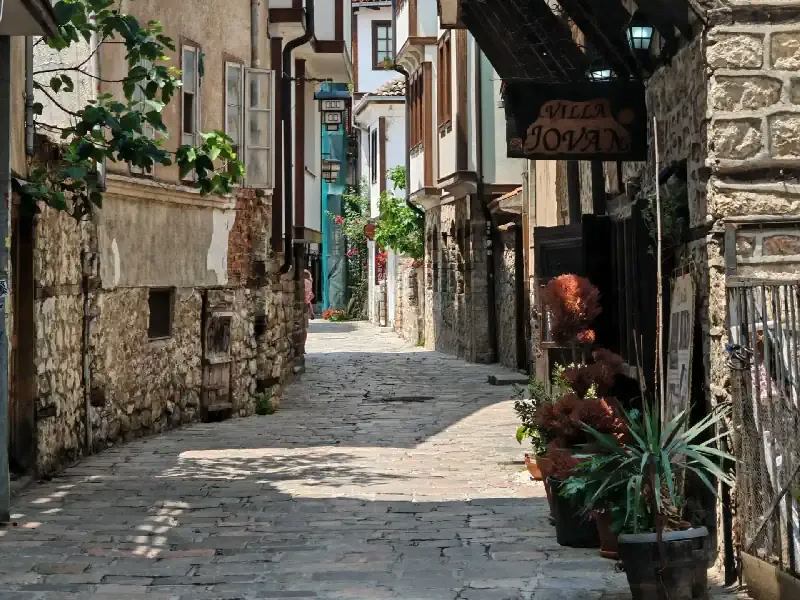
The historic Old Town area is the premier choice for stunning lakeside views and immediate access to ancient Byzantine churches.
- Resort / Luxury: Inex Olgica Hotel – Nestled directly on the lake shore, this prestigious resort boasts an indoor pool, a comprehensive wellness center, and a terrace with panoramic water views.
- Hotel: Villa Sofia – A charming boutique property in the heart of the old quarter, offering warm hospitality and traditional rooms looking straight out onto the lake.
- Hostel: Old Town Hostel Ohrid – A beautifully restored traditional house that provides budget-friendly dormitory beds and an authentic local vibe for travelers.
- B&B / Apartments: Apartments Kaneo – Positioned mere steps from the iconic Church of Saint John, these premium apartments feature private balconies facing the deep blue water.
Search for the best place to stay at Ohrid, including hotel and hostel at different prices.
What to Do in North Macedonia: Top Experiences
Arriving in the capital city of Skopje delivers an immediate visual shock due to the controversial urban renewal project known as “Skopje 2014.” The government installed hundreds of monumental bronze statues, massive fountains, and grand neoclassical facades across the central district. However, crossing the historic 15th-century Stone Bridge over the Vardar River completely alters the atmosphere, plunging you directly into the winding, cobblestone alleyways of the Old Bazaar. Here, the air smells of rich Turkish coffee and grilled meats, preserving a distinct Ottoman heritage that has survived for centuries.
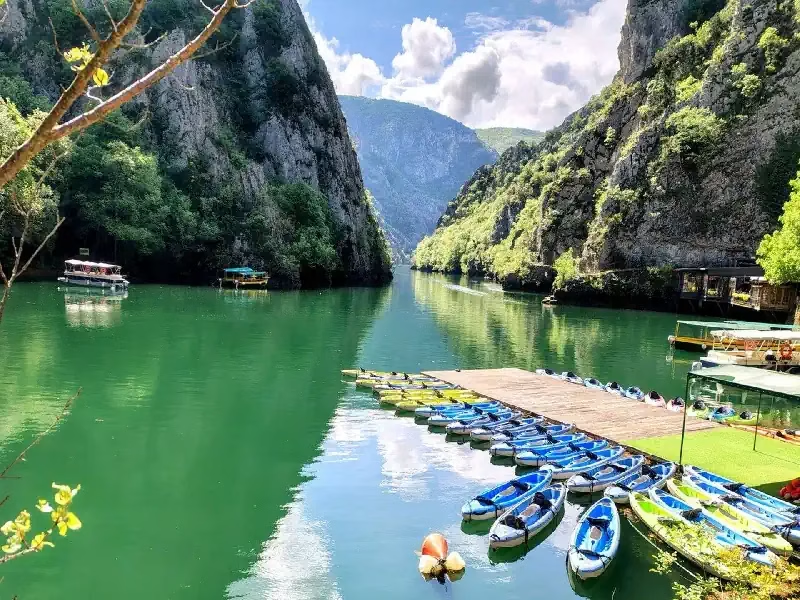
Just a short drive or local bus ride from the urban bustle lies the breathtaking Matka Canyon, a massive gorge carved by the Treska River. Visitors can hike along scenic trails carved into the sheer cliff walls or rent a kayak to paddle through the deep green waters. Taking a small boat excursion allows you to explore Vrelo Cave, an incredible natural cavern featuring massive stalactites and a deep underground lake system. It is the perfect day trip to experience the rugged natural beauty that defines the interior of the Balkan peninsula.
The crown jewel of the country is undoubtedly Lake Ohrid, a sublime UNESCO World Heritage site shared with neighboring Albania. It ranks among Europe’s oldest and deepest lakes, creating a spectacular setting for the medieval town terraced along the hillside. Wandering along the wooden boardwalks leads you to the Church of Saint John at Kaneo, which sits in isolation on a rocky cliff directly above the water. Standing at this vantage point during sunset offers one of the most unforgettable views in all of Europe.
Discover & book things to do in North Macedonia:
Top 10 Attractions in North Macedonia
- Macedonia Square (Skopje): The massive central plaza dominated by the towering, controversial statue of Alexander the Great.
- The Stone Bridge: An iconic Ottoman-era stone structure linking the modern city center with the historic old quarter.
- The Old Bazaar (Skopje): The second-largest marketplace of its kind in the Balkans, packed with artisan shops and cafes. Check a guided tour.
- Kale Fortress: Ancient Byzantine and Ottoman battlements offering sweeping, free panoramic views over the Skopje skyline.
- Mother Teresa Memorial House: A unique museum built on the exact site of the church where the famous humanitarian was baptized.
- Matka Canyon: A stunning natural reserve featuring dramatic vertical cliffs, boat trips, and deep limestone caves. Do a trip to Matka.
- Church of Saint John at Kaneo (Ohrid): The iconic, postcard-perfect medieval church perched dramatically over the lake. Worth to check tours through the site.
- Samuel’s Fortress (Ohrid): High defensive walls providing the most extensive viewpoint over the entire Ohrid region.
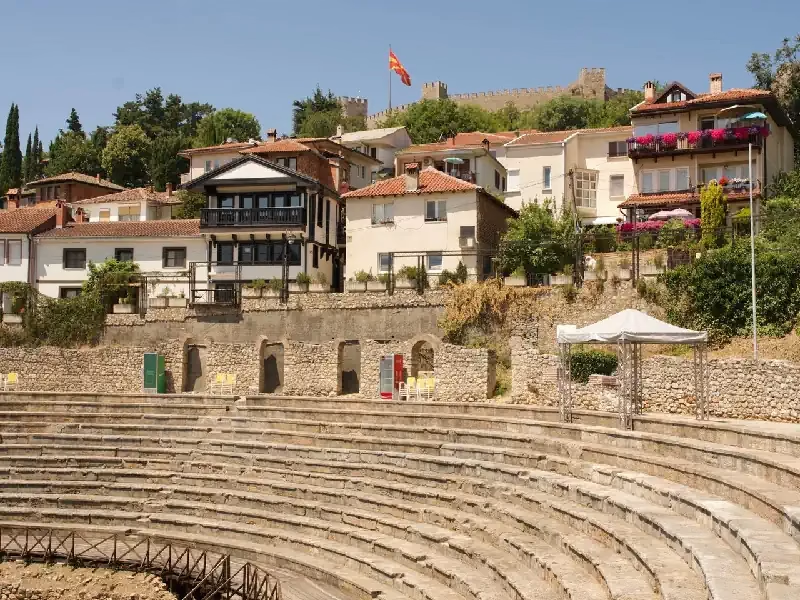
- Ancient Theatre of Ohrid: A remarkably preserved Hellenistic amphitheater used today for open-air summer concerts.
- Monastery of Saint Naum: A peaceful 10th-century monastic complex near the Albanian border, famous for its freshwater springs.
Suggested 1-Day Skopje Itinerary
If you only have 24 hours to spend in the capital, this optimized walking route ensures you experience the absolute highlights without wasting time.
- 09:00 AM – Breakfast at Macedonia Square: Start your morning at the central square. Grab a fresh burek (savory flaky pastry filled with cheese or meat) from a local bakery and pair it with traditional drinking yogurt.
- 10:30 AM – Historic Monuments: Walk down the pedestrian avenue to explore the Mother Teresa Memorial House, then head back to the riverbank to cross the historic Stone Bridge.
- 11:30 AM – Get Lost in the Old Bazaar: Wander the maze of cobblestone streets, photograph the old Ottoman caravanserai (hans), and check out the historic architecture of the Mustafa Pasha Mosque.
- 01:00 PM – Authentic Local Lunch: Take a seat at Destan, a famous culinary institution in the bazaar, to enjoy grilled minced meat kebabs served with fresh flatbread.
- 02:30 PM – Panoramic Views at Kale Fortress: Walk up the hill to climb the stone ramparts of the fortress for an uninterrupted look at the city and the surrounding mountains.
- 04:00 PM – Late Afternoon at Matka Canyon: Take a taxi or catch public bus 60 out to Matka Canyon. Rent a kayak or book a boat tour to see Vrelo Cave as the afternoon light hits the canyon walls.
- 08:00 PM – Dinner in Debar Maalo: Head to Skopje’s favorite bohemian neighborhood for dinner. Choose a traditional kafeana (local tavern) to enjoy live acoustic music, local wine, and traditional shared plates.
Gastronomy: What to Eat and Best Restaurants in North Macedonia
Macedonian cuisine is a delightful surprise, combining fresh Mediterranean ingredients with hearty, comforting Ottoman cooking techniques. The food is consistently fresh, portions are universally generous, and the prices are incredibly affordable compared to western Europe.
Traditional Dishes You Must Try
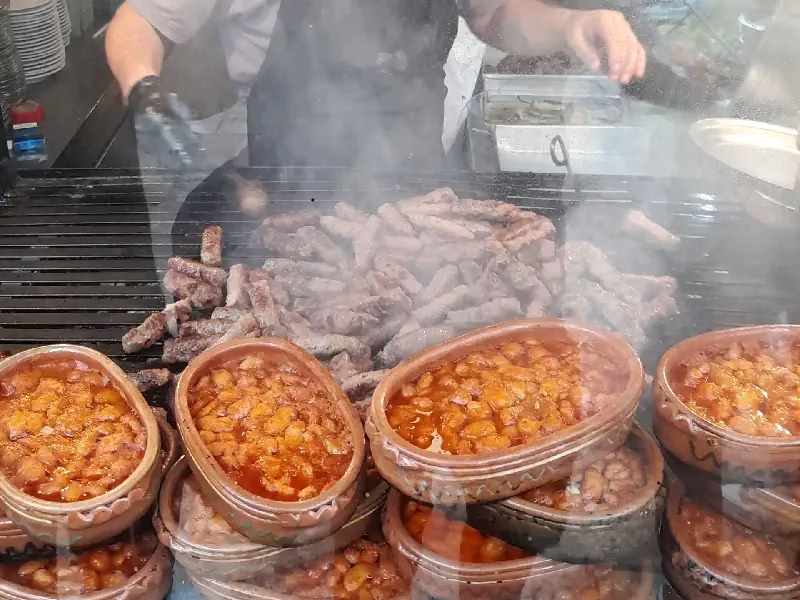
The undisputed national dish is Tavče Gravče, a savory stew of white beans baked slowly in a traditional unglazed clay pot with local peppers and wild mint. You should also start every meal with Ajvar, a rich, smoky relish made from roasted red bell peppers and eggplant, spread generously over warm bread.
For meat lovers, Ćevapi (skinless grilled meat sausages) and the Sharska patty (a large burger stuffed with melted kashkaval cheese) are menu staples. Pair your food with a cold Skopsko beer, or sample Rakija, the potent grape or plum brandy traditional across the Balkan region.
Check out a guided walking tour of the Old Town and a food tasting in Skopje.
Recommended Places to Dine
- Destan (Skopje): Operating since 1913 in the Old Bazaar, this unpretentious eatery serves the best and fastest ćevapi in the capital city.
- Kandil (Skopje): A cozy, authentic restaurant in the old quarter ideal for sampling slow-cooked stews, Tavče Gravče, and roasted meats.
- Restaurant Kaneo (Ohrid): Set directly on the water’s edge below the famous cliffs, this spot serves fresh lake trout alongside spectacular sunset views.
Check out the Skopje tasting tour: The 5 flavors of Skopje in the Old Town!
FAQ: Frequently Asked Questions about North Macedonia
1. Do I need a visa to visit North Macedonia?
Passport holders from the US, UK, Canada, Australia, New Zealand, and EU countries can enter North Macedonia visa-free for tourist stays of up to 90 days within any 180-day period. Ensure your passport is valid for at least three months beyond your planned departure date.
2. What currency is used, and can I use Euros?
The official currency is the Macedonian Dinar (MKD). While some hotels and taxi drivers may quote prices in Euros or accept them for convenience, you will need Dinars for day-to-day transactions at restaurants, markets, and transit hubs. Credit cards are common in major establishments, but cash remains essential for smaller vendors.
3. Is North Macedonia safe for solo travelers?
Yes, the country ranks among the safest destinations in Europe. Violent crime rates are exceptionally low across the board. Travelers should exercise standard common sense and guard against pickpocketing in crowded areas like the Skopje Old Bazaar or busy city buses.
4. Can I easily get by using only English?
In the major tourist centers of Skopje and Lake Ohrid, most restaurant staff, hotel workers, and younger locals speak excellent English. In rural areas or when reading bus timetables, downloading a translation app that supports the Cyrillic alphabet is incredibly helpful.
5. Should I rent a car to travel around the country?
Renting a car is highly recommended if you want to explore remote mountain monasteries, visit wineries in the Tikveš region, or tour national parks like Mavrovo. The primary highways connecting Skopje and Ohrid are well-maintained, though you should keep cash handy for the small toll booths along the route.
Practical Tips and Final Travel Checklist to North Macedonia
- Documents & Insurance: Pack a valid passport and printed copies of your accommodation bookings. While emergency medical care is available, comprehensive travel insurance is essential to handle any unexpected medical disruptions.
- Money Management: Inform your card issuer of travel plans in the Balkans to prevent fraud alerts. Keep a mix of card options and cash, as small local markets do not accept digital payments.
- Packing Essentials: Bring durable, broken-in walking shoes with good grip to handle the steep, slippery cobblestones of Ohrid. If you visit in the summer, bring swimwear and water shoes because the lakeside beaches are primarily gravel and stone.
- Cultural Etiquette: When entering active Orthodox churches or mosques, dress modestly by ensuring your shoulders and knees are covered. Remove your shoes at the entrance of mosques when indicated by signage.
- Souvenirs & Gifts: Look for high-quality jars of artisan Ajvar from local markets, bottles of rich red wine made from the indigenous Vranec grape, or genuine Ohrid pearls, which local families craft using a secret, multi-generational technique.
General International Travel Tips
For general travel tips, be sure to check out:
- The best Travel Quotes to motivate your trip on an adventure!
- Tips for using Google Flights and buying the best airfare
Where to Travel Next?
Other posts beautiful destination:
- Complete travel guide to visit the Romantic Road in Germany
- Berlin, Germany – Top 20 sights and things to do and visit
- Paris, France – Top 10 must-see sights and tourist attractions
- What to do in New York, USA – Trave Guide and tips
- Best travel tips for Oktoberfest in Munich, Germany