


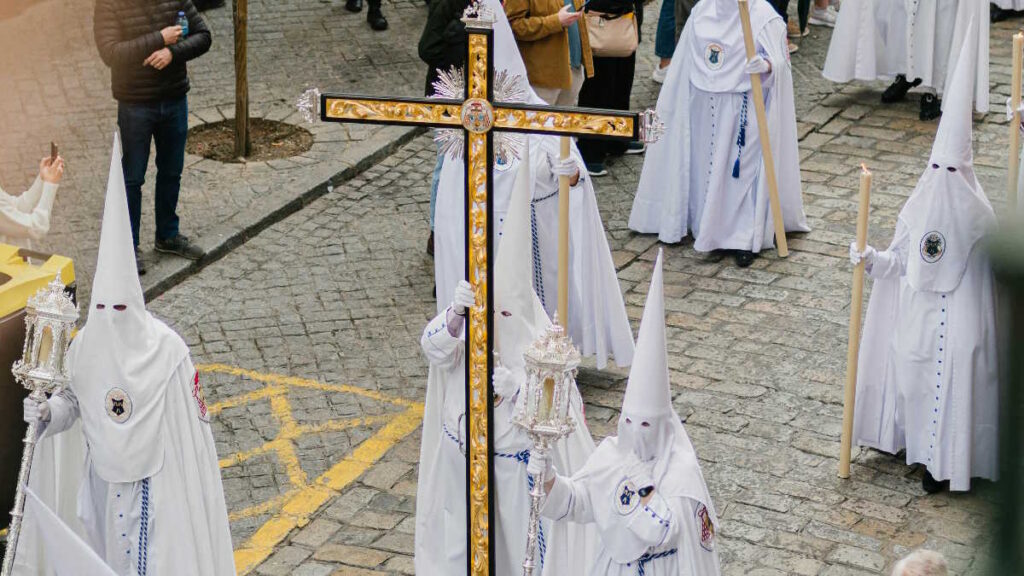
Holy Week (Semana Santa) in Seville is a world-renowned, deeply spiritual, and artistic celebration, running from March 29 to April 5 in 2026.
Holy Week in Seville, Spain is one of the most powerful cultural events in Europe. Every spring, the city changes its rhythm. Streets fill with music, candles, and processions. The atmosphere becomes intense, emotional, and unforgettable.
Many travelers visit Seville, Spain during Holy Week to see traditions that are centuries old. However, the experience is more than religion. It mixes culture, art, music, food, and local life.
During Holy Week in Seville, every neighborhood participates. Processions move slowly through narrow streets. Locals wait many hours to see their favorite brotherhoods. Meanwhile, visitors explore the city between events.
Therefore, planning ahead is important. Hotels fill early. Streets close during processions. Restaurants become busy.
- Be sure to check out our itinerary for Exploring Seville’s Churches: Guide to Spain’s Spiritual Treasures
This guide explains how to enjoy Holy Week in Seville, Spain step by step. It includes travel tips, food ideas, and the best attractions. As a result, your visit becomes easier and more memorable.

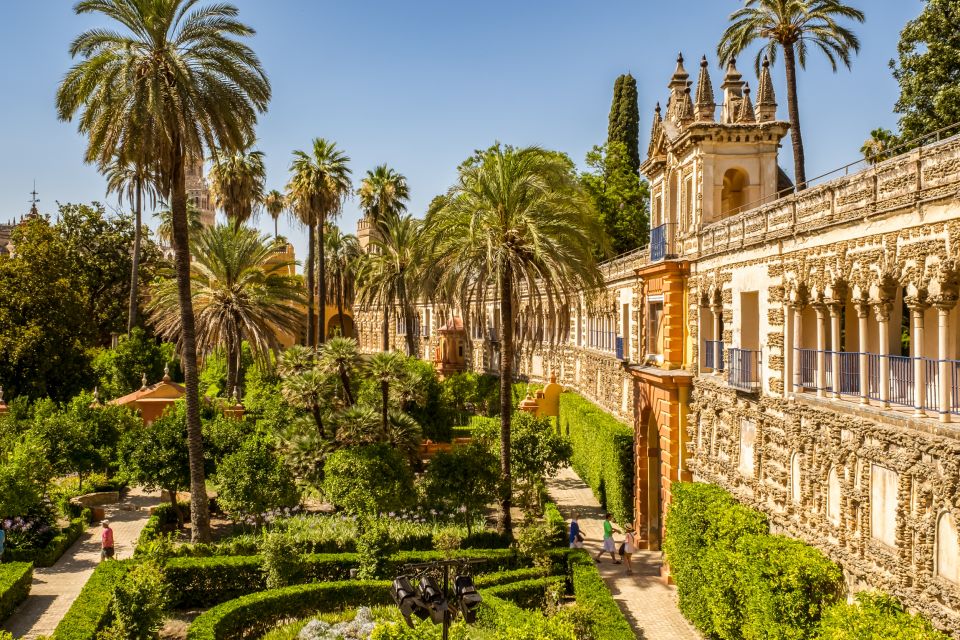
Seville: Royal Alcázar Entry Ticket – Enjoy this ticket to the Royal Alcázar of Seville, a beautiful medieval palace that was declared a World Heritage Site in 1987.
Plan your trip to Spain
Other itineraries that can help you better plan your trip to Spain:
- What to do in Tenerife, Spain: Best Attractions for a Great Travel
- Best of Madrid, Spain: Unforgettable Attractions and Travel Tips
- What to do in Cordoba in Spain – Travel guide for 1 or 2 days trip
- Pueblos Blancos route in the Andalusia region of Spain
- Things to do in Ronda, Andalusia, Spain – Complete Travel Guide
- What to do in Barcelona, Catalonia, Spain: Best Attractions and Travel Tips

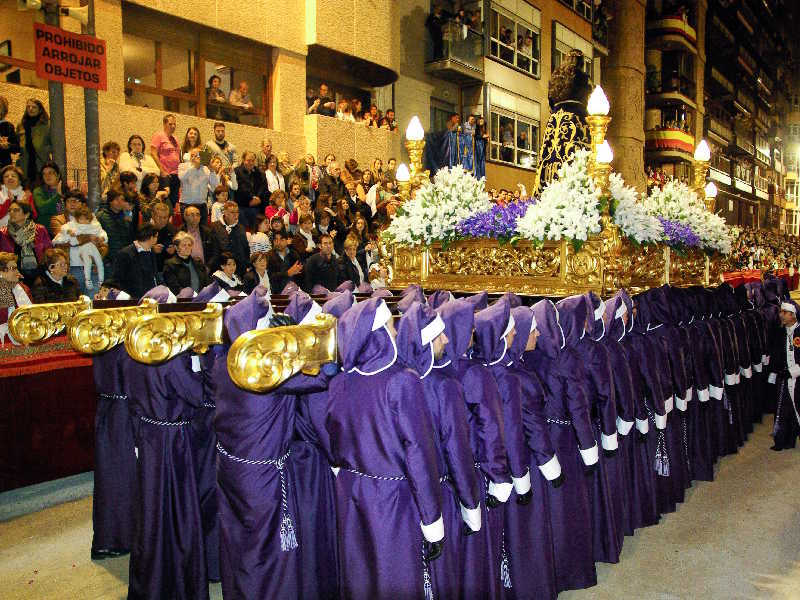
Brief History of Holy Week in Seville, Spain
Holy Week in Seville, Spain, also called Semana Santa, started many centuries ago. Historical records show organized processions in the 16th century. However, religious groups already held smaller events before that time.
During the Middle Ages, Catholic brotherhoods formed across Seville. These groups organized charity, prayer, and public rituals. Eventually, they began walking through the city with religious images.
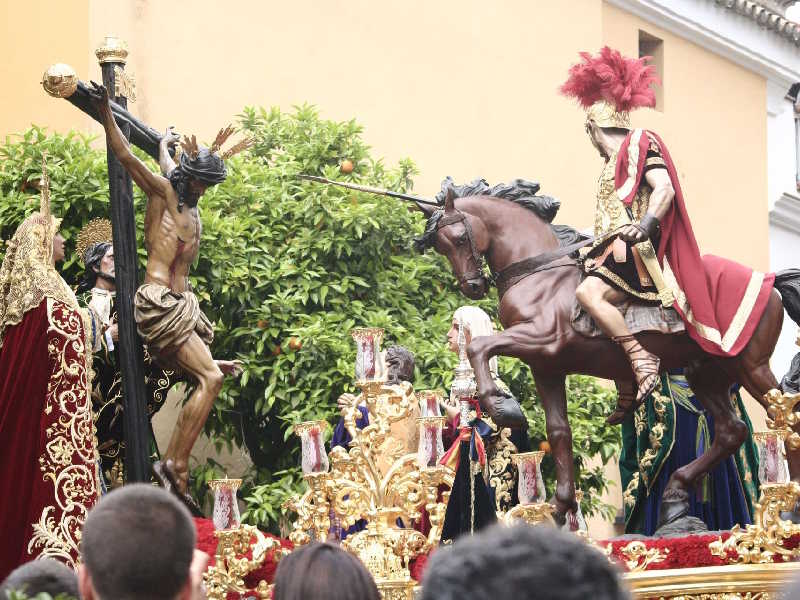
Over time, the tradition became more elaborate. Sculptors created dramatic statues of Christ and the Virgin Mary. Musicians added marching bands. Artisans built large decorated platforms called pasos.
Today, more than sixty brotherhoods participate in Holy Week in Seville, Spain. Each group follows a fixed route through the historic center. Many processions last more than ten hours.
Even now, locals treat the event with deep respect. Families return every year to watch specific processions. Meanwhile, travelers come from around the world.
Because of this history, Seville during Holy Week feels unique. The city becomes both a cultural festival and a spiritual event.
Where and How to Go to Seville
Seville is the capital and largest city of the Spanish autonomous community of Andalusia and the province of Seville. It is situated on the lower reaches of the River Guadalquivir, in the southwest of the Iberian Peninsula.
Traveling to Seville, Spain during Holy Week is simple if you plan early. The city is well connected to major European destinations.

Find the best deals and options for flights and airport transfers to your hotel.
First, the easiest way to arrive is by plane. Seville Airport receives many flights from European cities. After landing, taxis and buses reach the city center in about 20 minutes.
Another good option is the train. High-speed trains connect Seville with Madrid. The trip takes about 2.5 hours. Many travelers combine Madrid and Seville, Spain in the same trip.
Buses also connect Seville with other cities in southern Spain. This option is cheaper but slower.
Once inside Seville, walking is the best way to explore during Holy Week. The historic center is compact. However, some streets close during processions.
Therefore, comfortable shoes are essential. Also, allow extra travel time because crowds grow large during Holy Week in Seville.
Public trams and buses still run. Yet walking between attractions often becomes faster during peak hours.
Services that can help with your transfer and visit:
What Are the Best Times to Visit
Holy Week in Seville, Spain lasts seven days before Easter Sunday. However, each day has a different atmosphere.
Palm Sunday begins the celebrations. Many famous brotherhoods start their processions. Therefore, crowds grow quickly in central Seville.
Monday through Wednesday offer a balance. Processions continue, but streets feel slightly calmer. Travelers often find this period easier for sightseeing.
Thursday and Friday are the most dramatic days of Holy Week in Seville. The famous overnight event called La Madrugá happens early Friday morning. Some of the most important brotherhoods walk through the city then.
Because of this, crowds become extremely large. If you want the full experience, these days are essential. However, patience is necessary.
Saturday feels quieter. Meanwhile, Easter Sunday ends Holy Week in Seville, Spain with joyful celebrations.
The best strategy is to stay at least three or four days. That way, you see different processions and explore the city calmly.
Where to Stay in Seville – Best Areas and Regions
Finding accommodation in Seville, Spain during Holy Week requires early booking. Many hotels sell out months in advance.
Historic Center (Casco Antiguo)
The historic center is the best location during Holy Week in Seville. Most processions pass through this area.
Staying here means you can walk everywhere. Attractions like the cathedral and main squares are close. However, hotels are more expensive.
Santa Cruz District
Santa Cruz is one of the most charming areas in Seville, Spain. Narrow streets and small plazas create a beautiful atmosphere.
Many boutique hotels and Bed & Breakfast options exist here. Also, the neighborhood sits close to major Holy Week routes.
Triana Neighborhood
Triana lies across the Guadalquivir River. It offers a more local experience of Seville.
Prices are often lower than the historic center. In addition, Triana brotherhoods play a key role during Holy Week in Seville.
Types of Accommodation
Travelers can choose several options in Seville, Spain:
- Luxury hotels with rooftop views
- Small boutique hotels in historic buildings
- Budget hostels for backpackers
- Cozy Bed & Breakfast houses
Booking early ensures better prices and better locations during Holy Week.
Some hotels worth knowing to analyze your accommodation are:
- Hotel Doña María
Old town, Seville – 400 m from centre
8.7 – Fabulous in 3,108 reviews
Hotel Doña Maria is set in a former palace in central Seville, offering views of the famous Cathedral and the Giralda. It features a seasonal, rooftop swimming pool and free Wi-Fi access. - Itaca Sevilla by Soho Boutique
Old town, Seville – 0.5 km from centre
8.3 – Very good in 699 reviews
Hotel Itaca Sevilla by Soho Boutique is a converted mansion house, 750 metres from Seville Cathedral. Set around a typical Seville courtyard, it has a small seasonal outdoor pool and free Wi-Fi. - Eurostars Sevilla Boutique
Old town, Seville – 450 m from centre
8.4 – Very good in 1,807 reviews
Located in the Santa Cruz neighbourhood, Eurostars Sevilla Boutique is set on a XVI century palace and is 150 metres from the Giralda and the Sevilla Cathedral. - Boutique Puerta Real
Old town, Seville – 0.6 km from centre
8.7 – Fabulous in 2,424 reviews
Boutique Puerta Real is centrally located between Seville’s Plaza de Armas and Fine Arts Museum. It offers basic rooms with free Wi-Fi, set around a typical Sevillian courtyard. - Apartamentos Setas Center (Managed by a private host)
Old town, Seville – 0.7 km from centre
8.9 – Fabulous in 1,198 reviews
Located in Seville, 3.3 km from Isla Mágica and 300 metres from the centre, Apartamentos Setas Center provides air-conditioned accommodation with free WiFi, and a terrace.
There are also some other accommodation options in hotels, hostels and inns, be sure to check them out at Booking.com page.
What to Do During Holy Week in Seville
Watching processions is the highlight of Holy Week in Seville, Spain. However, the city offers much more.
First, explore the historic center early in the morning. Many attractions open before processions start. Therefore, mornings are perfect for sightseeing.
Next, walk along the Guadalquivir River. The view of Seville becomes beautiful during sunset. Musicians and street artists often perform nearby.
Markets are also great places to experience local culture. You can taste regional food and meet residents of Seville, Spain.
Museums remain open during Holy Week. They help visitors understand Andalusian history and art.
Finally, enjoy the nightlife after the processions. Many bars stay open late. Locals gather to discuss the events of the day.
Suggestions for touristic attractions, activities and guided tours in Holy Week in Seville, Spain:
Top Activities and Experiences in Holy Week in Seville, Spain:
- Watch the Processions (Semana Santa): The core event involves watching processions that often last over 10 hours, moving from churches to the city center. Key, iconic processions include La Macarena, El Gran Poder, and El Cachorro.
- Experience La Madrugá: The highlight of the week is “The Dawn” from Thursday night to Friday morning, featuring the most revered processions like El Gran Poder and Macarena.
- Listen to Saetas: Listen for saetas, soul-stirring, emotional, and religious songs sung from balconies by artists as the processions pass.
- Visit Churches and Monuments: Explore Seville Cathedral, the Basilica of Jesús del Gran Poder, and the Church of El Salvador, which are central to the brotherhoods.
- Taste Traditional Easter Treats: Sample torrijas (honey-soaked sweet bread), pestiños (honey-glazed pastries), and potaje de vigilia (traditional Lenten chickpea stew).
- Watch in Specialized Spots: View the processions at key locations like the Cathedral area, Plaza de San Francisco, or the narrower streets of the Santa Cruz neighbourhood.
- Visit Neighbourhood Processions: Beyond the center, experience a more local feel by visiting processions in neighborhoods like Triana.
Top 10 Attractions in Seville, Spain
Here are the top attractions to see during Holy Week in Seville:
- Seville Cathedral – One of the largest Gothic churches in the world.
- La Giralda Tower – The famous bell tower with stunning city views.
- Real Alcázar – A royal palace with beautiful gardens and Moorish design.
- Plaza de España – A huge square with bridges and colorful tiles.
- Barrio Santa Cruz – Historic streets full of charm and small squares.
- Metropol Parasol – A modern wooden structure with a panoramic terrace.
- Triana Market – A lively market with fresh food and tapas bars.
- Archivo de Indias – A historic archive linked to Spain’s colonial history.
- Maria Luisa Park – A large green park ideal for relaxing walks.
- Torre del Oro – A historic tower beside the river in Seville.
These attractions help balance your visit during Holy Week in Seville, Spain.

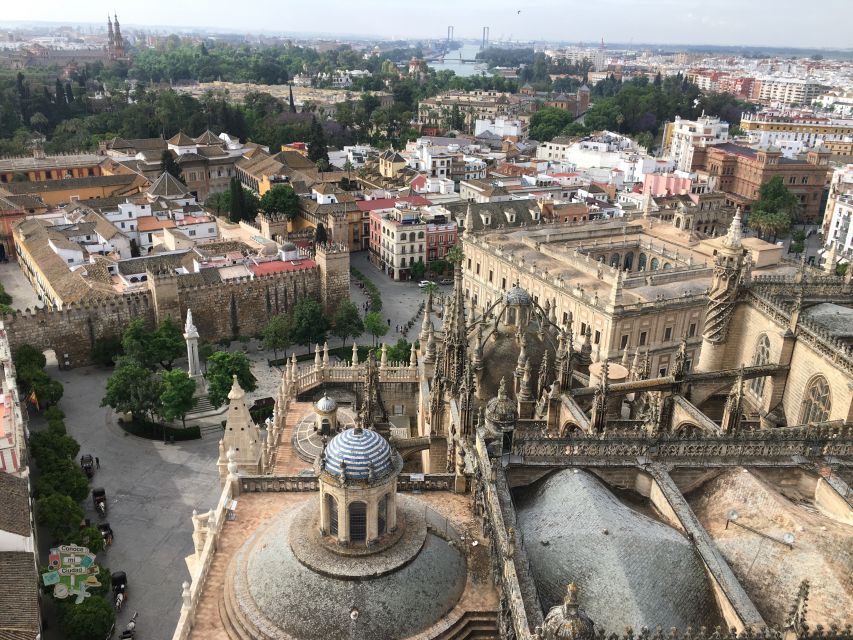
Seville: Cathedral, Giralda, and Royal Alcázar Guided Tour – Visit Seville’s most important monuments on a fast-access tour. Hear about the history behind the Royal Palace, Cathedral, and Giralda Tower.
Tip Itinerary for One Day during Holy Week in Seville
A one-day visit to Seville, Spain during Holy Week requires careful planning.
Start early in the morning. Visit the Seville Cathedral and climb La Giralda before crowds arrive. The views of Seville are impressive.
Next, walk to the Real Alcázar. The palace gardens feel peaceful before afternoon crowds.
After lunch, explore the Santa Cruz district. Small streets and hidden squares reveal the charm of Seville, Spain.
In the late afternoon, choose a good spot along a procession route. Many travelers wait near the cathedral area.
Evening is the best moment to watch Holy Week in Seville processions. Music, candles, and traditional costumes create an unforgettable atmosphere.
Finally, enjoy tapas at a local bar. This ends your day in Seville, Spain in a relaxed way.
What and Where to Eat – Traditional Food and Restaurants
Food is an important part of visiting Seville, Spain during Holy Week. Many traditional dishes appear during this season.
First, try torrijas, a sweet bread dessert similar to French toast. Locals eat it often during Holy Week in Seville.
Another classic dish is bacalao, salted cod prepared in several ways. It reflects old fasting traditions.
You should also try espinacas con garbanzos, a spinach and chickpea dish common in Seville.
Tapas bars remain the best way to eat in Seville, Spain. You can taste many dishes in small portions.
Popular places include traditional taverns in the historic center. Meanwhile, Triana also offers authentic local bars.
Markets provide another good option. Food stalls serve quick meals between processions during Holy Week.
Eating slowly and sharing plates is part of the culture in Seville.

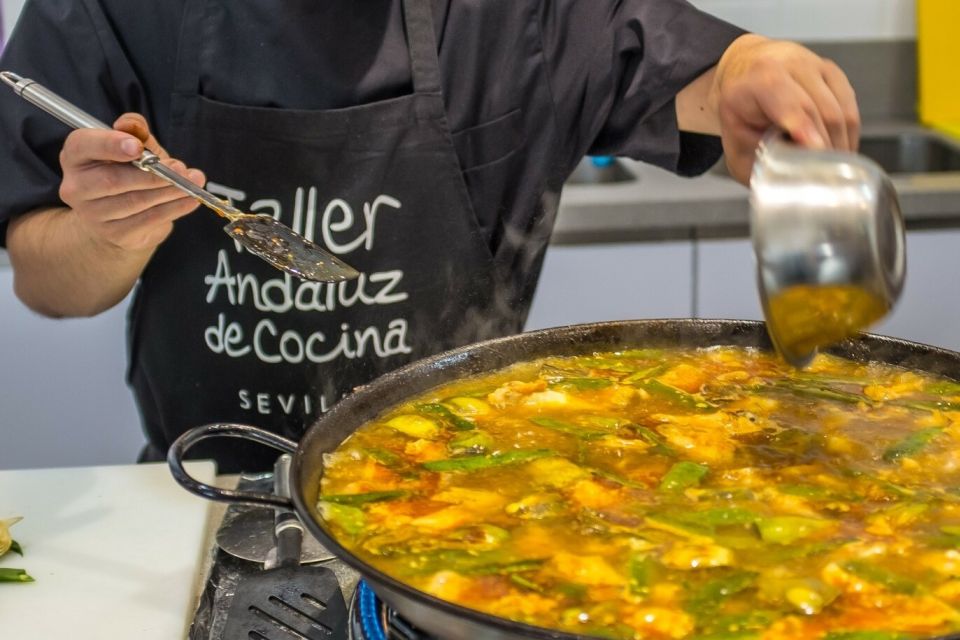
Spanish Cooking Class & Triana Market Tour – Enjoy a hands-on Spanish and Andalusian cooking class following a tour of the Triana Food Market, the best place to get the freshest local ingredients. Try something different on your visit to Seville and learn how to cook classic local dishes.
Key Tips and Practical Information to Visit the Holy Week in Seville
- Book hotels early – Accommodation fills quickly during Holy Week in Seville.
- Arrive early for processions – Good viewing spots disappear fast.
- Wear comfortable shoes – Walking long distances is common in Seville.
- Carry cash – Some small bars still prefer cash payments.
- Respect the atmosphere – Holy Week in Seville is a religious tradition.
- Stay flexible – Procession schedules may change due to weather.
- Use morning hours – Visit attractions before crowds grow.
- Learn basic Spanish phrases – Locals appreciate the effort.
- Stay hydrated – Spring days in Seville can become warm.
- Explore beyond processions – Seville, Spain offers culture, parks, and museums.
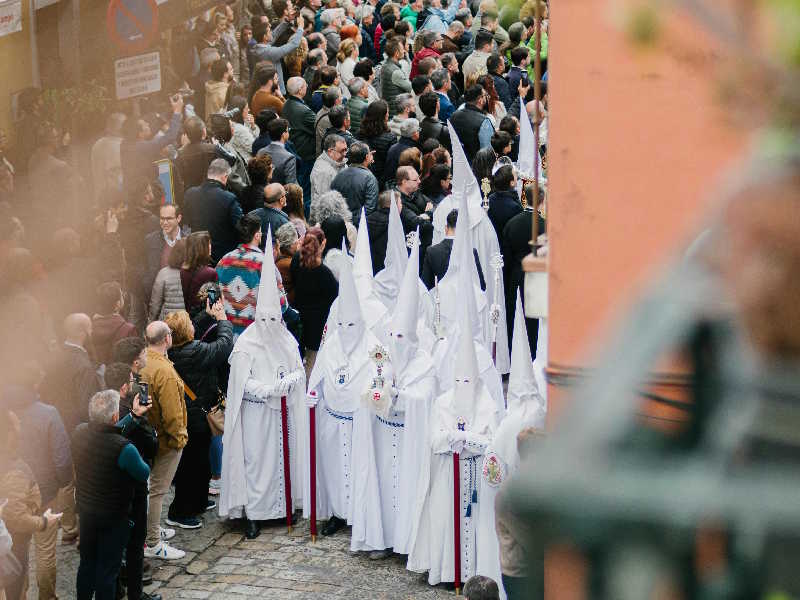
Holy Week in Seville, Spain remains one of the most powerful cultural experiences in Europe. With planning and curiosity, travelers can enjoy both tradition and the beauty of Seville.
General international travel tips
For general travel tips, be sure to check out:
- The best Travel Quotes to motivate your trip on an adventure!
- Tips for using Google Flights and buying the best airfare
Where to travel next?
Other posts beautiful destination:
- Complete travel guide to visit the Romantic Road in Germany
- Berlin, Germany – Top 20 sights and things to do and visit
- Paris, France – Top 10 must-see sights and tourist attractions
- What to do in New York, USA – Trave Guide and tips
- Best travel tips for Oktoberfest in Munich, Germany